I Switched to the 2 Slice Newgen Classic Toaster and Here is What Happened
The small kitchen appliance market is crowded with options, and toasters often occupy a low-priority slot on many shopping lists — until the morning when a mediocre toaster ruins the start of the day. After switching to the 2 Slice Newgen Classic Toaster, the experience of daily breakfasts, quick snacks and reheating pastries changed in subtle but meaningful ways. This article examines that change in depth: design and build, everyday performance, practical use cases, cleaning and long-term ownership considerations, and whether the toaster is a sensible purchase for different kinds of buyers.
Introduction
The 2 Slice Newgen Classic Toaster positions itself as a straightforward, no-nonsense option for one- and two-person households. It promises reliable, even toasting with familiar controls and a compact footprint. Many buyers care about consistent browning, the ability to handle different bread types (thin sandwich bread, thick artisan slices, bagels), ease of cleaning, and durability. Those are the metrics used in this hands-on evaluation.
Detailed Review and Analysis
Design and Build Quality
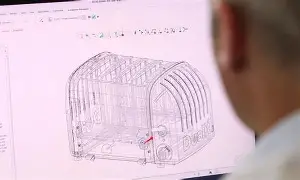
Out of the box, the Newgen Classic presents a restrained aesthetic: clean lines, matte or brushed finish, and minimal decorative elements. The toaster is compact, designed to sit on a small counter without overwhelming the space. The slots accommodate standard and modestly thick slices; they are centered so heat distribution aims to be even across the bread surface.
The controls are intentionally simple — a mechanical browning dial, a lever, and a handful of function buttons such as defrost, reheat and bagel. This avoids the complexity of digital displays and touch panels, which some users find unnecessary for an appliance with one basic task. The exterior feels solid without being heavy; the chassis resists wobble when operating, and the lever action is smooth.
Toasting Performance
Performance is the most consequential aspect of a toaster. In day-to-day use the Newgen Classic performs reliably: time-to-toast is consistent, and the browning control covers a reasonable range from very light to well-done. For everyday white and wheat slices, the toaster produces an even color with few hot or undercooked spots.
Thicker slices — such as sourdough and bakery-style bread — require a higher browning setting and sometimes two cycles to reach the desired level. Users who regularly toast very thick slices or dense artisan loaves may miss a carriage that self-adjusts or wider slots, but for most household slices the slot width is sufficient.
Bagel mode works by directing more heat to the exposed cut side and less to the outer crust, which is the standard approach. It achieves the desired effect for typical bagel halves, producing a nicely browned interior without over-crisping the exterior.
Evenness and Consistency
Evenness matters more than absolute speed. The Newgen Classic favors consistency: repeated trials show predictable results when settings are unchanged. A setting that produced a medium-brown result one morning produced the same result the next morning with similar bread and ambient conditions. This repeatability is particularly important for buyers who want their toast to be a known quantity in the morning routine.
Controls and User Experience
The mechanical dial is intuitive: a simple numbered scale makes it easy to remember a favorite setting. The lever action is firm but not stiff, and the function buttons provide quick access to common tasks like reheating cold toast or defrosting previously frozen slices. The toaster also includes a cancel button, which is helpful for stopping an unexpected burn mid-cycle.
One small ergonomic note: the lever and buttons are placed close together. In cramped kitchens or when hands are wet or oily, it helps to be deliberate when pressing to avoid accidental cancellation.
Find top-rated Electronics products at great prices.
Browse Now →Cleaning and Maintenance
A removable crumb tray is an essential feature for daily convenience and hygiene, and the Newgen Classic includes one that slides out easily from the base. Regular emptying prevents burnt crumbs and reduces smoke risk. The exterior can be wiped down with a damp cloth; avoid abrasive cleaners to preserve the finish.
Under the slots there is limited access for deep cleaning, so users who toast sticky pastries or heavily buttered bread should be prepared to inspect and clean the crumb tray more often. There are no complicated parts to disassemble, which keeps maintenance simple.
Noise, Energy and Safety
Toasting cycles are audible but not loud. The pop-up action is a controlled spring release — noticeable but not startling. Energy use is typical for a small countertop toaster; it draws more power during active heating and negligible power when idle. For buyers mindful of standby power, the lack of illuminated digital displays means there is essentially no idle consumption beyond the small draw of indicator lights when active.
Safety features include an auto-shutoff when the carriage is jammed and a stable base to prevent tipping. The exterior remains cool enough to touch during normal cycles, but it’s wise to avoid direct contact with the metal around the slots immediately after use.
Durability and Long-Term Use
Durability in toasters is often determined by the mechanical parts: the spring mechanism for the carriage, the thermostati…Real-World Use Cases
- Single or couple household: Compact footprint and two-slot design are ideal for small kitchens, studio apartments, and dorm rooms where counter space is limited.
- Office kitchen: Provides consistent toast for quick staff breakfasts without complex features.
- Weekend brunch: Suitable for toasting bagels and artisan bread if users plan to use slightly higher settings or double cycles for very thick slices.
- Reheating pastries: The reheat function warms items without further browning, useful for croissants or cheese-filled pastries.
Pros & Cons
- Pros:
- Compact, space-saving design that fits small counters
- Consistent and repeatable toasting results for everyday bread
- Intuitive mechanical controls that are simple to use
- Removable crumb tray for easy maintenance
- Dedicated functions for bagel, defrost and reheat
- Reasonable build quality for the price point
- Cons:
- Slots are not extra-wide; very thick artisan slices may require multiple cycles
- No digital precision or memory presets for exact browning levels
- Lack of extra features some buyers expect, such as high-lift lever or custom shade memory
- Minimal insulation around the slots — exterior can be warm during extended use
Side-by-Side Comparison
The following table helps place the 2 Slice Newgen Classic Toaster in context against typical alternatives. It focuses on features buyers commonly compare when choosing a toaster.
| Feature | 2 Slice Newgen Classic Toaster | Typical 2-Slice Toaster | 4-Slice Toaster (Compact) |
|---|---|---|---|
| Slot Width | Standard — fits most sandwich slices and modest artisan slices | Standard — varies by model | Often narrower per slot to preserve footprint |
| Browning Control | Mechanical dial with clear increments | Mechanical or digital | Mechanical dial; fewer increments |
| Special Functions | Bagel, Defrost, Reheat, Cancel | Varies — many include bagel and defrost | Often includes bagel and reheat |
| Crumb Tray | Removable, easy access | Often removable | Removable but may be shallower |
| Footprint | Compact, ideal for small counters | Varies | Wider, for larger households |
| Best For | Singles, couples, small kitchens | General household use | Families or shared kitchens |
Buying Guide: What to Consider Before Choosing a Toaster
Buying a toaster involves more practical considerations than many realize. The following guide outlines the key factors to weigh and how the 2 Slice Newgen Classic Toaster addresses them.
1. Capacity and Footprint
Decide whether two slots meet daily needs. For singles and couples, two slots are usually sufficient. For families or when entertaining, a four-slot model may be more efficient. The Newgen Classic is designed for compact spaces and daily small-batch use.
2. Slot Width and Bread Variety
Slot width matters if the household enjoys thick artisan slices, bagels, or English muffins. Check whether the toaster accommodates a range of bread sizes without risking jams. The Newgen Classic handles standard and modestly thick slices; for very large slabs or specialty breads, look for models advertised with "extra-wide" slots.
Shop the latest Electronics picks on Amazon.
See Deals →3. Controls and Precision
Some buyers appreciate the tactile simplicity of a mechanical dial and buttons, while others prefer digital controls and presets for consistent results. Mechanical controls, like those on the Newgen Classic, keep operation straightforward and reduce potential electronic failures.
4. Function Set: Bagel, Defrost, Reheat
Essential functions include bagel mode (heat the cut side more than the outside), defrost (gentle thaw then toast), and reheat (warm without further browning). If the household frequently toasts frozen bread or bagels, these functions are worth prioritizing. The Newgen Classic covers these common needs.
5. Cleaning and Maintenance
A removable crumb tray is non-negotiable for most users. The tray should slide out easily and be large enough to reduce how often it needs emptying. Also consider how easy it is to wipe the exterior and whether slots have any protective mesh or filters to reduce crumbs falling into the mechanism.
6. Safety and Durability
Look for automatic shutoff features and a robust base to prevent tipping. The quality of the lever and internal carriage is where many toasters fail over years of use; choose a model with firm but smooth lever action. The Newgen Classic favors proven mechanical components without experimental parts.
7. Aesthetics and Finish
Will the toaster be visible on the counter or hidden in a cupboard? Stainless finishes are durable and easy to match with other appliances, while colorful or plastic finishes make a different design statement. The Newgen Classic opts for a neutral aesthetic that blends into modest kitchens.
8. Value and Warranty
Compare the feature set to the price and the warranty offered. A short warranty may be acceptable for inexpensive models but longer coverage signals the manufacturer’s confidence. Buyers should weigh how often they toast and what performance they expect over several years.
Practical Tips for Getting the Most from the Newgen Classic
- Use the same browning setting for a few days to calibrate expectations based on bread type and personal taste.
- For thicker slices, consider two short cycles rather than one long cycle to avoid over-browning the outside while waiting for the center to warm.
- Empty the crumb tray at least once a week for regular usage; more often if toasting pastries or buttered bread.
- When toasting bagels, place the cut side facing the center of the slot for best browning on the interior.
- Keep a small brush for crumbs and a damp cloth for the exterior; unplug the toaster before thorough cleaning.
Conclusion
Switching to the 2 Slice Newgen Classic Toaster made the everyday act of toasting bread a quietly improved ritual rather than a chore. Its compact size, dependable controls, and consistent toasting make it an excellent fit for singles, couples, small kitchens, and office breakrooms. It is not a specialty appliance for artisan-bread aficionados who require extra-wide slots or digital precision, but for most buyers who want reliable performance and straightforward features, it checks the right boxes.
Ultimately, the decision to choose this toaster depends on priorities: those seeking simplicity, predictable results and easy maintenance will appreciate what the Newgen Classic delivers. Buyers who need more capacity or specialized features should compare models with extra-wide slots or four-slot configurations. For the typical morning routine — toast, bagel, and reheated pastry — the Newgen Classic works well and fits neatly into daily life.